People Planet Profit: A Comprehensive Guide to Business
Introduction
Sustainability is now a core principle driving business strategies. As concerns about environmental issues, social equity, and financial stability grow, the People Planet Profit framework is more relevant than ever. This model encourages companies to focus not only on profits but also on their social and environmental impact. In this article, we explore the importance of balancing these three pillars and why adopting a sustainable approach is essential for long-term business success.
What is People Planet Profit?
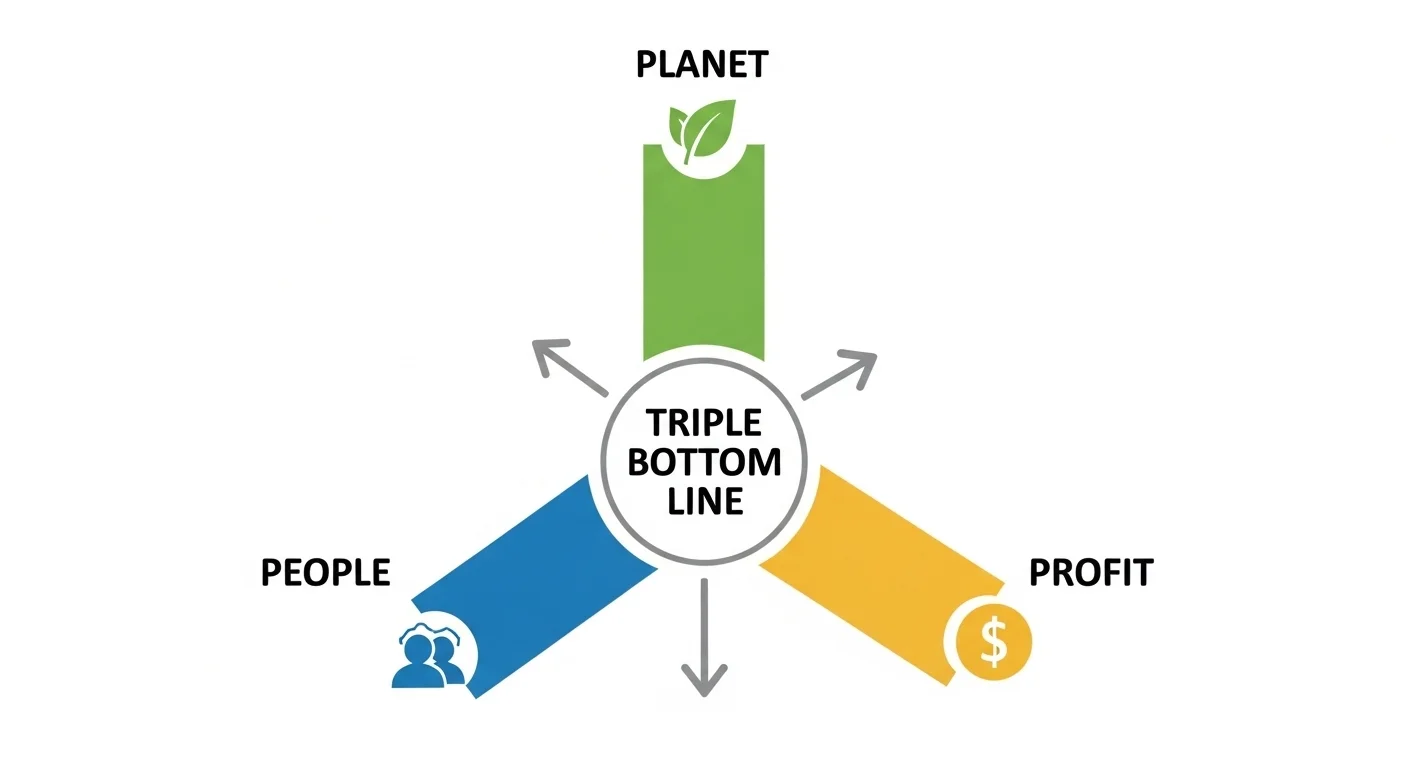
The People Planet Profit framework helps businesses measure their success by considering three critical areas: social responsibility, environmental stewardship, and financial viability. Originally coined by John Elkington, the model encourages companies to go beyond traditional profit goals and contribute positively to society and the environment.
Adopting this holistic approach helps businesses create long-term value, ensuring they not only thrive financially but also play a role in improving social conditions and minimizing their environmental footprint.
Breaking Down the Three P’s of Sustainability
People (Social Impact)
The first pillar of the People Planet Profit model is social sustainability. Companies must assess how their actions impact the community, their employees, and other stakeholders. This includes fair labor practices, promoting diversity and inclusion, and supporting social well-being.
Brands like Ben & Jerry’s and Patagonia have integrated social responsibility into their business models by ensuring fair wages, employee well-being, and environmental justice. This focus on people helps build strong customer loyalty and employee retention.
Planet (Environmental Responsibility)
Environmental sustainability is another key component of the framework. Companies are expected to minimize their ecological impact through initiatives such as reducing carbon emissions, waste management, and resource conservation.
IKEA, for instance, has committed to sustainable sourcing and reducing its carbon footprint. By embracing eco-friendly initiatives, businesses can attract customers who prioritize sustainability and enhance their reputation as environmentally responsible.
Profit (Economic Viability)

While focusing on social and environmental issues is essential, businesses must also ensure their economic success. The Profit pillar emphasizes long-term financial viability while being socially and environmentally responsible. Companies can achieve this balance by adopting practices that drive efficiency, reduce waste, and build a loyal customer base.
Unilever’s Sustainable Living Plan is a great example. By prioritizing sustainability, Unilever has increased both profitability and positive social impact, proving that sustainability can drive both business success and societal good.
Why the Triple Bottom Line Matters
In today’s competitive business environment, focusing solely on short-term profits is no longer enough. The People Planet Profit framework is growing in importance because it aligns business goals with the values of consumers, investors, and regulators. More customers are seeking out brands that share their values, particularly around sustainability.
Furthermore, governments and investors are increasing pressure on businesses to adopt sustainable practices. As environmental and social issues gain urgency, companies that embrace the Triple Bottom Line are better positioned to adapt to changing regulations and attract investment from socially conscious investors.
The Benefits of Adopting People, Planet, Profit in Business
Adopting the People Planet Profit approach brings numerous benefits that lead to sustainable growth and profitability. These include:
Increased Brand Loyalty
Consumers are increasingly drawn to businesses that prioritize social and environmental responsibility. Sustainable companies often build stronger customer loyalty, differentiating themselves from competitors. By aligning with customer values, businesses create deeper emotional connections.
Long-Term Profitability
Sustainability doesn’t come at the expense of profitability. In fact, many companies that adopt sustainable practices reduce costs and increase revenue. Companies following the People Planet Profit principles are often more resource-efficient, which contributes to both long-term profitability and sustainability.
Employee Engagement
Sustainability also leads to greater employee satisfaction. Companies that focus on social impact and environmental responsibility attract workers who are passionate about making a difference. By fostering a sustainability-driven culture, businesses can engage and retain top talent.
How to Implement Triple Bottom Line Strategy in Your Business
Adopting the People Planet Profit framework requires clear planning, goals, and commitment across all levels of the organization. Here’s how to integrate sustainability into your business:
Set Clear Sustainability Goals
Begin by setting specific, measurable goals for each of the three pillars. These goals should align with your business objectives. For example, your social sustainability goals might include improving diversity, while your environmental goals could focus on reducing carbon emissions.
Incorporate Sustainability Across Operations
Sustainability should be embedded throughout your business. This includes evaluating your supply chain, product development, and energy usage. Start by identifying areas where you can make improvements, such as switching to renewable energy or adopting sustainable materials.
Track and Report Progress
To ensure accountability, it’s crucial to track and report your sustainability efforts. Use metrics like carbon footprint, waste reduction, and employee satisfaction to gauge success. Reporting on these metrics not only builds transparency but also shows your commitment to People Planet Profit.
The Role of Technology in Promoting Sustainability

Technology plays an important role in helping businesses achieve their People Planet Profit goals. Advances in AI, data analytics, and renewable energy technologies enable companies to reduce their environmental impact and enhance operational efficiency.
For example, Google uses AI to optimize energy consumption in its data centers, reducing its carbon footprint. Technology can help businesses scale their sustainability efforts, making them more efficient and impactful.
The Future of Sustainability in Business
As sustainability becomes more important, businesses will face increasing pressure to adopt People Planet Profit principles. Companies that align with these principles will be better equipped to meet the demands of consumers, investors, and regulators.
The future of business will be shaped by sustainable practices. With the rise of ESG (Environmental, Social, Governance) criteria, companies committed to People Planet Profit will be better positioned for long-term success.
Challenges in Implementing Triple Bottom Line

Although the benefits of adopting the People Planet Profit framework are clear, businesses may face challenges. Balancing profitability with social and environmental goals can be difficult, especially for companies that are heavily reliant on traditional practices. Additionally, measuring social and environmental impact can be complex and requires the right tools.
Despite these challenges, the rewards of adopting People Planet Profit far outweigh the difficulties. With the right strategy, businesses can successfully integrate sustainability into their operations.
Conclusion
The People Planet Profit framework is more than just a trend. It’s a comprehensive model for business sustainability that balances social, environmental, and financial responsibilities. By adopting this approach, businesses can ensure long-term success, improve their brand reputation, and contribute to a more sustainable future. As the world increasingly demands transparency and accountability, businesses that embrace this framework will lead the way.








Post Comment