HMRC Late Payment Interest: A UK Guide to What It Costs
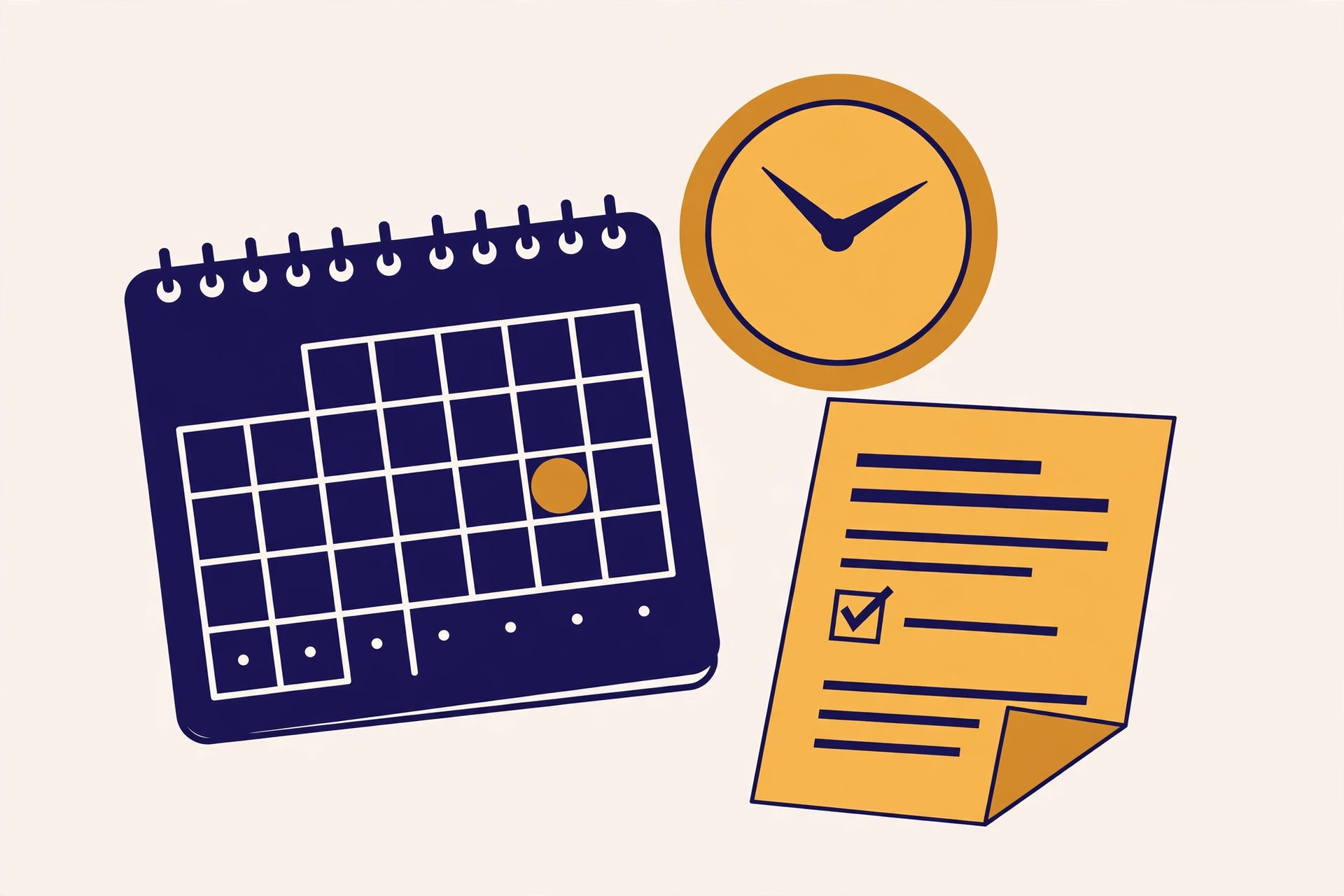
HMRC late payment interest is the extra charge HMRC adds when you pay tax after its due date. You still owe the original tax. HMRC late payment interest sits on top of it, and it grows for every day the payment stays late. This guide explains when HMRC late payment interest applies, how HMRC works it out, how it differs from a penalty, and what you can do if you cannot pay on time. It is general information only. It is not financial advice, and it is not tax advice. Tax rules depend on your own position, so check GOV.UK or speak to a qualified tax adviser before you act.
What HMRC late payment interest means
HMRC late payment interest is a charge for paying late. HMRC charges it on tax you owe after the payment deadline passes. The deadline depends on the tax. Self Assessment tax, Corporation Tax, VAT, and PAYE each have their own payment dates. Miss the date for your tax, and HMRC late payment interest can start from the day after the deadline.
HMRC late payment interest is not a fine for bad behaviour. HMRC sets it to reflect the time value of money. You held money that should have reached HMRC. HMRC charges interest for that delay. The charge keeps running until HMRC receives your payment in full. It does not stop just because you filed your return. Filing on time helps you avoid filing penalties. It does not stop HMRC late payment interest if you still owe tax.
When HMRC late payment interest applies
HMRC late payment interest applies when a tax payment arrives late. It applies across the main taxes HMRC collects. The exact start date can vary by tax, so check the payment date for your own tax type. For most taxes, interest starts the day after the due date. It then runs daily until HMRC receives cleared funds.
You should also know that a partial payment does not stop the charge. HMRC late payment interest continues on the amount you still owe. Pay part of the bill, and interest keeps running on the rest. Pay the full bill, and the interest stops. That simple rule shapes every decision in this guide: pay what you can, as soon as you can, even if you cannot pay everything at once.
How HMRC late payment interest is charged
HMRC charges late payment interest as simple interest, not compound interest. HMRC works it out on the unpaid tax, day by day. HMRC does not add the interest to the balance and then charge interest on that interest. Our guide to compound interest explains how compound interest differs, because interest on savings can build on itself. HMRC late payment interest does not work that way. It grows in a straight line, based on the tax you still owe.
HMRC sets its late payment rate by law, linked to the Bank of England base rate. From 6 April 2025, the late payment rate is base rate plus 4%. Before that date, it was base rate plus 2.5%. The current rate on the official HMRC interest rates page, verified on 2026-11-02, is 7.75% from 9 January 2026. That rate can change when Bank Rate changes. Always check the current rate before you estimate a figure. Do not rely on an old article, including this one, for the rate on the day you pay.
Here is a clear worked example, using the verified rate above. Suppose you owe £5,000 and you pay 30 days late. HMRC charges simple interest: £5,000 × 7.75% × 30 ÷ 365. That gives £31.85 of interest. The formula stays the same even if the rate changes. You swap in the rate that applies for the period you were late. If the rate changes while your payment is late, HMRC applies each rate for the days it was in force.
HMRC late payment interest is not a penalty
People often mix up interest and penalties. They are separate charges, and HMRC can apply both. HMRC late payment interest compensates HMRC for late payment. A penalty punishes a failure, such as filing late, paying late, or filing an incorrect return. Penalty rules differ by tax. Some penalties are fixed sums. Others are a percentage of the tax you owe. Some grow as the delay grows longer.
That distinction matters for two reasons. First, you cannot avoid interest by arguing that you did not mean to pay late. Interest follows the delay itself. Second, you should deal with penalties and interest separately. Ask HMRC, or your adviser, which charges apply to your case. Do not assume that paying one charge clears the other. Check your HMRC account and any letters HMRC sends you. They should show what you owe, and why.
What to do if you cannot pay on time
Contact HMRC early. Do not wait until HMRC chases you. You can ask HMRC about a Time to Pay arrangement. A Time to Pay arrangement lets you spread what you owe over agreed instalments, usually monthly. HMRC decides each case on its own facts. Expect questions about your income, your spending, and what you can afford each month. HMRC may also ask you to file any missing returns first.
A Time to Pay arrangement does not usually wipe out HMRC late payment interest. Interest normally keeps running on the balance until you pay it in full. An arrangement still helps, because it stops the debt from drifting with no plan. It also shows HMRC that you are dealing with the problem. If you break an arrangement, HMRC can cancel it and take further action. Keep every payment date, and tell HMRC at once if your income falls.
Take these practical steps in order. First, work out exactly what you owe and when HMRC expected it. Second, file any outstanding returns, even if you cannot pay yet. Third, pay what you can now, because every pound you pay cuts the balance that interest runs on. Fourth, contact HMRC to discuss the rest. Fifth, write down the agreement, the amounts, and the dates. Keep copies of letters and messages from HMRC.
How to avoid HMRC late payment interest
Prevention beats cure, and the steps are simple. Put each tax deadline in your calendar as soon as you know it. Set a reminder a month before, and another a week before. Check your HMRC online account before the deadline, not after it. The account shows what HMRC expects and when HMRC expects it.
Set money aside as you earn it. Self-employed people often struggle because tax falls due months after they earn the income. A separate savings account for tax helps. Move a share of each payment into that account at once. Then the money is there when the deadline arrives. Our guide to managing rising household costs covers budgeting steps that also help here, because a clear monthly budget makes it easier to protect tax money from everyday spending.
Check your payment method too. Bank transfers can take time to clear. A payment that leaves your account on the deadline may still reach HMRC late if it clears after that date. Pay early enough for HMRC to receive cleared funds by the deadline. Keep proof of payment, such as a bank confirmation, in case HMRC queries the date.
A final word
HMRC late payment interest rewards prompt payment and punishes delay, day by day. The rate is high enough to notice, and it keeps running until you pay in full. The good news is that you control most of the cost. File on time, pay on time, pay what you can at once if you fall behind, and contact HMRC early if you cannot pay in full. Check the current rate on the official HMRC interest rates page before you estimate any figure, because rates change.
General-education note: This article is general information only. It is not financial advice, and it is not tax advice. It recommends no product or service. Tax deadlines, rates, penalties, and arrangements vary by tax type and change over time. Check GOV.UK for the rules that apply to you, or speak to a qualified tax adviser about your own position.
FAQs
What is HMRC late payment interest?
HMRC late payment interest is the charge HMRC adds when you pay tax after its due date. It runs daily on the tax you still owe, from the day after the deadline until HMRC receives your payment in full.
When does HMRC late payment interest start?
It normally starts the day after your payment deadline. The exact date depends on your tax type, so check the payment date for Self Assessment, Corporation Tax, VAT, or PAYE in your own case.
How does HMRC calculate late payment interest?
HMRC charges simple interest on the unpaid tax. HMRC multiplies the amount you owe by the annual rate and by the number of days you are late, then divides by 365. The rate changes over time, so check the current rate first.
Does HMRC late payment interest stop if I agree a Time to Pay plan?
No, not usually. Interest normally keeps running on the balance until you pay it in full. A Time to Pay arrangement still helps, because it gives you an agreed plan and stops the debt from drifting.
Is HMRC late payment interest the same as a penalty?
No. Interest compensates HMRC for late payment. A penalty is a separate charge for a failure, such as filing late or paying late. HMRC can apply both, and the penalty rules differ by tax.
Where can I check the current HMRC late payment interest rate?
Check the official HMRC interest rates page on GOV.UK. HMRC updates that page when rates change. The rate verified for this guide on 2026-11-02 was 7.75% from 9 January 2026, but you should confirm the rate that applies on the day you pay.






Post Comment