Second Home Insurance Explained: What to Check before buy
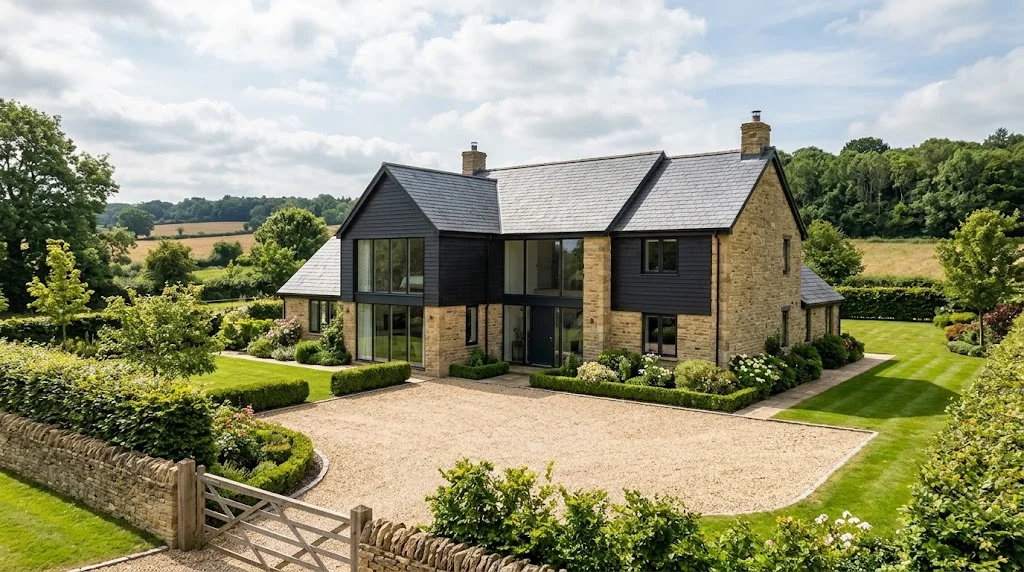
A second home can be a place for weekends, holidays, or family visits. It can also stand empty for long stretches, far from where you live. That mix is exactly why second home insurance exists as its own kind of cover — and why a standard home insurance policy often does not fit it. Searchers usually type “2nd home insurance”, and this guide answers that search in plain UK English: what second home insurance is, how it differs, what it covers, where the limits sit, and what to check before you buy.
This article is general information only and is not financial advice. It recommends no insurer or product, and it promises no cover or price. Insurance terms vary between providers, so always read the policy documents for the policy you are considering.
What is second home insurance?
Second home insurance is home insurance designed for a property that is not your main home. Your main home is where you live most of the time. A second home is an extra property you own and use yourself, sometimes for only part of the year, while your main home remains elsewhere.
Second home insurance usually still has the two familiar parts of home insurance: buildings cover for the structure, and contents cover for the belongings inside. The difference lies in how the insurer judges the risk, because a home that stands empty for weeks faces different dangers from a home someone sleeps in every night.
If you have a mortgage on your second home, your lender will normally require buildings insurance. Contents cover is usually optional, but consider it carefully: a second home often holds furniture and appliances that would cost a great deal to replace after a fire, flood, or burglary.
How second home insurance differs from standard home insurance
A standard home insurance policy assumes someone lives in the property day to day. An occupied home is watched, heated, and maintained. A leaking pipe gets noticed quickly. A broken window gets boarded up.
Second home insurance starts from a different assumption: the property will be empty for periods, sometimes long ones. Insurers therefore ask how often you visit, how long the longest empty stretch will be, whether anyone else stays there, where the property is, and what security and heating arrangements are in place. The answers shape both the price and the conditions.
Never assume your main home policy covers a second property. If the insurer does not know a property is a second home, a claim could be reduced or refused. Always declare the property honestly as a second home.
Why insurers treat a second home as higher risk
Insurers pay more attention to a second home because empty properties suffer certain kinds of damage more often, and the damage is often worse before anyone notices.
Escape of water is the classic example. A slow leak from a pipe, tank, or washing machine can run for days in an empty home, soaking floors and walls. In an occupied home, the same leak would usually be spotted within hours.
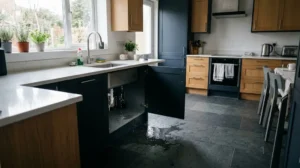
Burglary and vandalism are a second concern. An obviously empty property can attract thieves, and damage from a break-in may go undiscovered, which can make repairs harder and more expensive.
Weather and maintenance problems form a third group. A storm-damaged roof or a frozen pipe can cause far more harm when no one is there to act, which is why second home insurance policies often include conditions about heating, draining water systems in winter, and regular visits. Breaking them can affect a claim.
What second home insurance usually covers
Although every policy differs, second home insurance typically covers the same core risks as standard home insurance, adapted for an empty property. Buildings cover usually includes damage from fire, storm, flood, escape of water, theft, vandalism, and subsidence, subject to the policy terms. Contents cover usually includes theft, fire, flood, and accidental damage to belongings, again subject to limits and exclusions.
Some policies also offer extras that matter more for a second home: accidental damage cover for accidents when guests use the property, home emergency cover for urgent call-outs such as a plumber for a burst pipe, and legal expenses cover for disputes connected to the property. Each extra adds cost, so weigh it against how you actually use the property.
Check the contents limits, and list anything valuable.
What is often excluded or limited
Exclusions and limits are where second home insurance most often surprises owners, so read this part of any policy with care.
The most important limit is the unoccupancy clause. Most second home insurance policies set a maximum number of consecutive days the property may stand empty before cover changes. After that point, cover for some risks — often escape of water, theft, vandalism, and malicious damage — may be reduced or removed entirely. The exact number of days varies between policies, so do not guess it from another policy or from a guide: find the figure in your own policy documents and plan your visits around it.
Other common exclusions include wear and tear, gradual deterioration, and poor maintenance. Insurance covers sudden, unexpected events, not the slow effects of a leaking gutter left unrepaired for years. Deliberate damage is also excluded.
If you let the property to paying guests, even occasionally, that is another important boundary. A policy for your own use does not automatically cover holiday letting. Letting usually needs different or additional cover, with its own rules about guest damage, public liability, and loss of rental income. If letting is even a possibility, raise it with the insurer before you buy, not after a claim.
Unoccupancy conditions and letting
Because empty periods sit at the heart of second home insurance, the conditions attached to them deserve close attention. They are part of the deal, and failing to meet them can leave you without cover when you need it most.
Common conditions include regular visits, keeping the heating on at a minimum level in cold weather or draining the water system if the property will be empty through winter, securing doors and windows with specified locks, and maintaining alarms where required. Some policies also require the property to look lived in, with mail collected and lights on timers.

None of this is unreasonable, but it needs planning. If your second home is hours away, arrange a neighbour or property manager to visit it, and keep a simple record of visits and maintenance. If you will be away longer than the policy allows, contact the insurer first: some will extend the unoccupied period, sometimes for an extra cost.
The same honesty applies to letting. Holiday-let cover typically adds protection for guest damage, loss of rental income if the property becomes unusable, and public liability if a guest is injured. Tell the insurer exactly how you let the property — how many weeks, through an agency or directly, and whether pets are allowed. Even letting to friends and family for no payment is worth mentioning.
Before you buy: a practical checklist
Use this checklist when you compare second home insurance policies:
- Is the property declared honestly as a second home, and does the policy match how you actually use it?
- What is the maximum unoccupied period, and can you meet it with your visiting pattern?
- What heating, draining, visiting, and security conditions apply, and can you realistically meet them?
- Does the buildings sum insured reflect the full rebuild cost, not the market value?
- Are contents limits and single-item limits enough for what the property actually holds?
- Does the policy cover letting, if you let the property at all, including guest damage and loss of rental income?
- What is excluded, and what extras — accidental damage, home emergency, legal expenses — do you genuinely need?
- What is the excess on each type of claim, and is it affordable if you have to claim?
Good security and maintenance also help: fit good locks, set any alarm, use timer lights, and keep an inventory of contents with photographs.
A second home adds running costs on top of your main home. Our guide to pay cost of living sets out practical steps for managing rising household costs. For the basics of home insurance, MoneyHelper’s guide to what home insurance is is a useful, impartial starting point.
A final word
Second home insurance is not a luxury extra on top of standard cover. It is the right kind of cover for a property that stands empty, is visited in bursts, and may be let to others. The cheapest policy is not the best one if its unoccupancy clause does not fit your visiting pattern. Read the unoccupancy conditions first, check the rebuild and contents sums honestly, declare letting if it applies, and keep the property visited, heated, and maintained.
General-education note: This article is general information only and is not financial advice. It does not recommend any insurer or product, and it promises no cover or price. Insurance terms, limits, and conditions vary between providers and change over time. For decisions about your own property, consider speaking to an independent financial adviser or a regulated insurance broker.
FAQs
What is second home insurance?
Second home insurance is home insurance for a property that is not your main home. It covers the buildings and usually the contents, but it is priced and conditioned for a property that stands empty for periods.
Do I need second home insurance if I already have home insurance?
Yes, in most cases. A standard policy for your main home does not automatically cover a second property, and it may not cover a property that stands empty for long periods.
Why is second home insurance more expensive than standard home insurance?
Second home insurance reflects the higher risk of an empty property: leaks, burglary, and storm damage can go unnoticed for longer, so claims can be larger.
What happens if my second home is empty for longer than the policy allows?
Cover for some risks may be reduced or removed once the policy’s maximum unoccupied period passes. Check your own policy documents, and contact the insurer before a long absence to ask about an extension.
Does second home insurance cover holiday letting?
Not automatically. A policy for your own use does not usually cover paying guests. If you let the property, tell the insurer and arrange holiday-let cover.
What should I check before buying second home insurance?
Check the unoccupied period and its conditions, the rebuild cost, contents limits, whether letting is covered, what is excluded, and the excess on each type of claim.







Post Comment