Car Technology Impact on Driving: Safety, Behavior, and Future
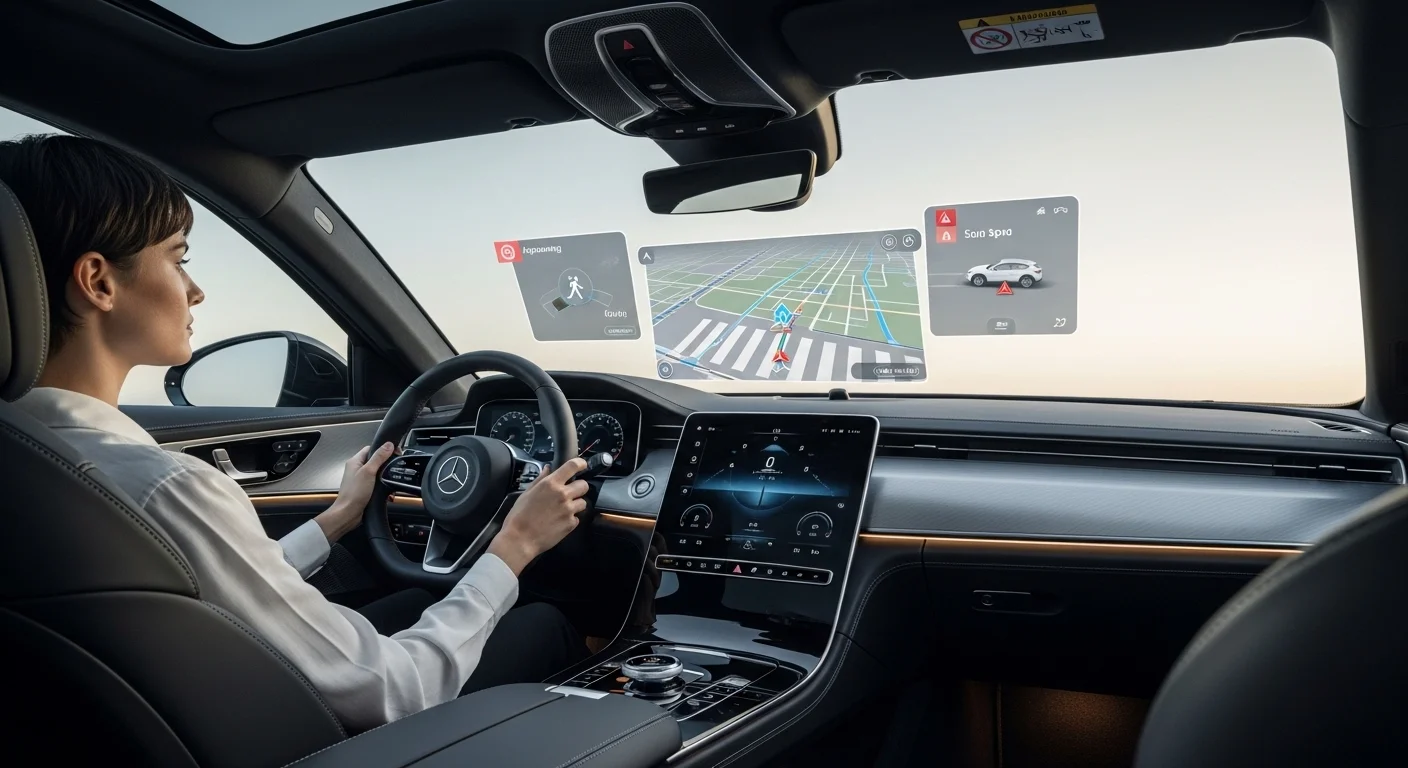
Driving has undergone a major transformation as vehicles have evolved from purely mechanical systems into intelligent machines powered by artificial intelligence and automation. The car technology impact on driving is evident in how drivers interact with vehicles, make decisions, and respond to road conditions. Today, features like navigation systems, driver assistance tools, and real-time data processing have become standard in many cars.
This shift has made driving more convenient and safer in many ways. However, it has also introduced new challenges related to attention, dependency, and trust in technology. Understanding these changes is essential to evaluating how modern driving is being shaped.
What is Modern Car Technology?
Modern car technology refers to the integration of advanced digital systems that enhance the overall driving experience. These systems include driver assistance technologies, smart infotainment interfaces, and autonomous driving features that reduce the need for constant human control.
Technologies such as ADAS, which include lane keeping assist and adaptive cruise control, are designed to support drivers during routine and complex situations. At the same time, innovations like electric vehicles and connected cars rely on artificial intelligence and real-time data to improve performance and efficiency. As a result, vehicles are no longer passive tools but active participants in the driving process.
Car technology impact on driving
One of the most significant aspects of the car technology impact on driving is the improvement in road safety. A large number of accidents are caused by human error, and modern technologies aim to reduce these risks by assisting drivers in critical moments.
Driver assistance systems, such as collision avoidance and automatic emergency braking help prevent accidents before they occur. Similarly, features like lane departure warnings and adaptive cruise control enhance control and stability during driving. These systems work by continuously monitoring the environment and responding faster than a human driver in many situations.
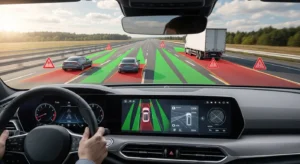
As a result, technology not only reduces the likelihood of accidents but also builds a safer driving environment where human limitations are supported by intelligent systems.
Impact of Car Technology on Driver Behavior
While technology improves safety, it also changes how drivers behave. The car technology impact on driving can be clearly seen in the increasing reliance on automated systems. Drivers often trust these systems to handle tasks that previously required full attention.
Over time, this reliance can lead to reduced engagement and slower reaction times in unexpected situations. Drivers may become less attentive because they assume the system will intervene when needed. This behavioral shift highlights the importance of maintaining a balance between using technology and staying actively involved in driving.
The Hidden Risks of Car Technology
Despite its advantages, modern car technology introduces several risks that cannot be ignored. One of the most common concerns is driver distraction caused by infotainment systems, touchscreens, and constant notifications within the vehicle.
Another issue is overconfidence in automation. When drivers believe that systems are fully capable of handling all situations, they may reduce their level of alertness. This can be dangerous in scenarios where human intervention is still required. In addition, system failures, although rare, can create critical situations if drivers are not prepared to take control immediately.
These risks show that technology should be viewed as a support system rather than a replacement for responsible driving.
Pros and Cons of Car Technology in Driving
Car technology brings both benefits and challenges that shape the overall driving experience. On the positive side, it enhances safety, reduces driver fatigue, and makes navigation and decision-making easier. Drivers can enjoy a smoother, more comfortable journey with smart systems that handle repetitive tasks.
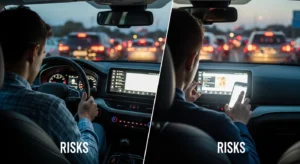
On the other hand, the increasing presence of technology can lead to dependency and reduced driving skills. Distractions caused by screens and digital interfaces can also affect focus. This balance between convenience and risk defines the true car technology impact on driving and highlights the need for mindful usage.
Real World Examples of Car Technology in Action
In real-world scenarios, the role of technology becomes even more evident. Features like automatic emergency braking have prevented countless collisions by reacting faster than human drivers. Similarly, navigation systems have made it easier to avoid traffic and reach destinations efficiently.
However, there are also situations where over-reliance on systems has led to delayed reactions from drivers. These examples demonstrate that while technology can significantly improve driving outcomes, it must be used with awareness and understanding.
Psychological Impact on Drivers
The psychological effects of technology on drivers are often overlooked but highly important. Continuous use of automated systems can reduce the mental effort required for driving, which may seem beneficial at first. However, over time, this can lead to a decline in focus and decision-making ability.
Drivers may begin to trust technology more than their own judgment, which can create a false sense of security. This shift in mindset plays a crucial role in shaping modern driving habits and further emphasizes the broader car technology impact on driving.
Human vs Machine Decision Making in Driving
The comparison between human drivers and machine-based systems highlights both strengths and limitations. Humans rely on experience, intuition, and situational awareness, while machines depend on data and algorithms to make decisions.
Although machines can process information quickly and accurately, they lack the ability to understand complex human behavior or ethical considerations. This difference becomes critical in unpredictable situations where judgment and adaptability are required.
Legal and Liability Issues in Tech-Driven Driving
As vehicles become more advanced, questions about responsibility and liability are becoming more complex. In traditional driving, the driver is held accountable for accidents. However, with the rise of automation, it is not always clear whether responsibility lies with the driver, the manufacturer, or the software.
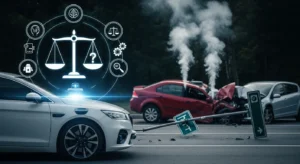
This shift is creating new challenges for legal systems and insurance providers. Understanding these issues is essential as technology continues to redefine the boundaries of control in driving.
Cybersecurity Risks in Smart Vehicles
With the increasing connectivity of vehicles, cybersecurity has become a major concern. Modern cars are equipped with systems that communicate with external networks, making them vulnerable to potential cyber threats.
Unauthorized access to vehicle systems can compromise safety and privacy. As a result, manufacturers are focusing on improving security measures to protect drivers and their data. This aspect adds another layer to the car technology impact on driving, showing that risks are not limited to physical driving alone.
Future of Driving Technology
The future of driving is expected to be shaped by continuous innovation in artificial intelligence and automation. Fully autonomous vehicles, smarter traffic systems, and connected infrastructure are likely to redefine how people travel.
As these technologies become more advanced, the role of the driver may shift from active control to passive supervision. This transformation will further expand the car technology impact on driving, making it essential for drivers to adapt to new systems while maintaining awareness and responsibility.
Conclusion
Car technology has transformed driving into a more efficient and intelligent process. It has improved safety, enhanced comfort, and introduced new possibilities for the future. At the same time, it has created challenges related to distraction, dependency, and decision-making.
A balanced approach is necessary to fully benefit from these advancements. Drivers should use technology as a tool that supports their abilities rather than replacing them. By understanding both the advantages and limitations, it becomes possible to navigate the evolving landscape of modern driving with confidence and responsibility.






Post Comment