Profiling a Business: A Comprehensive Guide for Success
Introduction
Profiling a business is an essential process for understanding how a company operates, its market position, and its competitive advantages. By creating a detailed company profile, businesses can make informed decisions regarding strategic growth, partnerships, and investments. As market dynamics continue to evolve, profiling a business offers a clear roadmap for making strategic decisions, assessing risks, and seizing opportunities.
In this article, we will explore the importance of business profiling, the key components involved, and the steps you can follow to create an effective business profile. Whether you want to attract investors, improve market research, or enhance competitive intelligence, profiling a business plays a pivotal role in shaping the future of your company. Therefore, let’s dive into the key components that make up a comprehensive business profile.
Key Components of Business Profiling
When profiling a business, it is essential to examine various aspects of the company’s operations. These components form the foundation of the business profile and provide critical insights into the company’s potential for growth.
Company Overview
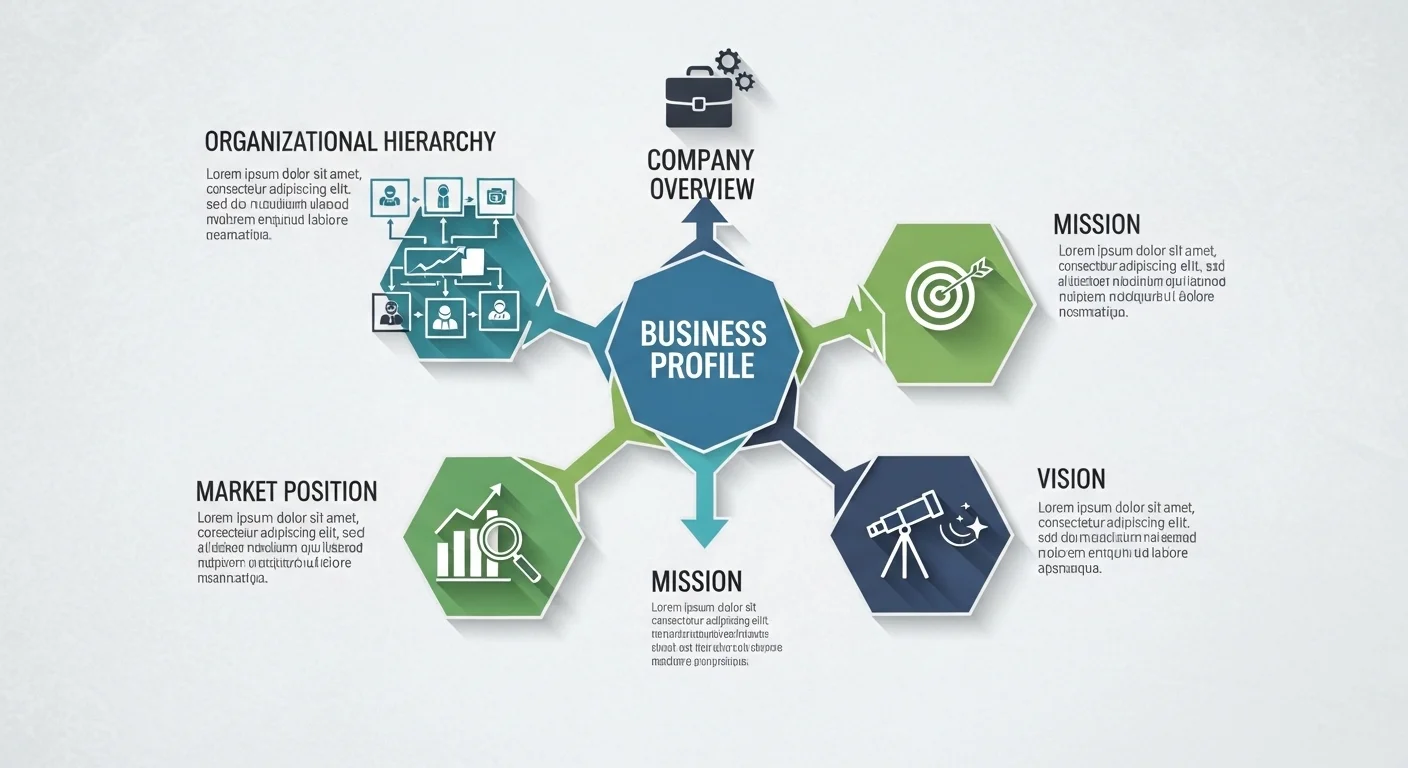
To begin, a comprehensive company profile starts with an overview that includes the business’s mission, vision, and values. This section sets the stage by outlining the company’s core purpose and guiding principles. Additionally, it provides insight into the organizational structure, highlighting key leadership figures and the decision-making hierarchy. By understanding the company’s core values and leadership, stakeholders gain a clear perspective on the business’s direction and goals.
Market Position & Industry Analysis
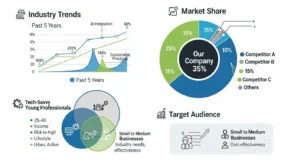
Moreover, profiling a business requires analyzing its position within the market. This step involves identifying the industry in which the company operates, understanding market trends, and assessing the company’s target audience. Knowing your market position allows you to identify growth opportunities, industry shifts, and potential threats. For example, if a company is positioned well in an emerging market, it may have significant growth potential. Conversely, if it is facing increasing competition, adjustments may be necessary.
Company Performance Analysis
Evaluating a business’s financial health is crucial for profiling. This process involves analyzing key financial metrics such as revenue growth, profitability, and return on investment (ROI). A solid understanding of the company’s performance is vital for strategic planning and decision-making. For instance, if a company shows consistent growth in profits and efficiency, it can signal to investors that the business is on a solid path toward success.
In addition to financial metrics, conducting a SWOT analysis (Strengths, Weaknesses, Opportunities, Threats) can provide deeper insights into the company’s internal capabilities and external challenges. By identifying both strengths and weaknesses, businesses can take proactive steps to mitigate risks and leverage their strengths.
Competitive Benchmarking
Profiling a business wouldn’t be complete without understanding its competitors. By evaluating how your business compares to others in the industry, you gain valuable insights into your market share and competitive advantages. Consequently, competitor benchmarking involves identifying your rivals, assessing their strengths, and understanding where your business stands in comparison. This helps identify gaps in the market that your business can capitalize on, allowing you to make more informed decisions.
Steps for Profiling a Business
Profiling a business involves a systematic approach to gathering and analyzing relevant data. Here are the key steps for creating a detailed business profile.
Data Collection
The first step in profiling a business is gathering relevant data. This can be done through a combination of public records, industry reports, and interviews with key stakeholders. It is essential to utilize both primary and secondary data sources to ensure the information is comprehensive and reliable. When gathering data, it is also important to focus on accuracy and relevance. Reliable data is the foundation of any successful business profile.
Data Analysis
Once the data is collected, it must be analyzed to identify trends, patterns, and anomalies. This is where qualitative and quantitative analysis come into play. For example, financial data may be analyzed using statistical methods to uncover patterns in revenue growth or operational efficiency. Moreover, competitive intelligence tools can be used to gather data from competitors, which further enhances the depth of the profile. By analyzing data from multiple sources, businesses can gain a more accurate picture of their current position.
Profiling Framework
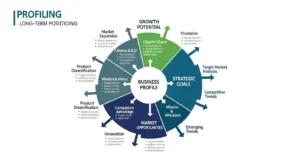
After gathering and analyzing the data, the next step is structuring the business profile. This involves organizing the information into a clear, logical format. The profile should include sections such as company overview, competitive landscape, market position, and financial performance. Structuring the profile in this manner ensures that it is easily understood and actionable. Moreover, a well-organized profile can serve as an excellent resource for decision-makers within the company.
Types of Business Profiling
There are various types of business profiling, each catering to specific needs. Understanding which type is most relevant to your goals is essential for effective decision-making.
Financial Profiling
For investors and financial analysts, financial profiling plays a significant role in assessing a company’s profitability, liquidity, and financial stability. It involves analyzing balance sheets, profit and loss statements, and cash flow statements to determine the company’s financial health. A positive financial profile can attract investors and assure that the company is on a stable path.
Operational Profiling
Operational profiling focuses on analyzing a company’s internal processes and systems. This includes evaluating supply chain management, employee productivity, and technological infrastructure. Understanding operational efficiency is crucial for identifying areas of improvement and optimizing resources. If a company is struggling with operational inefficiencies, it may need to implement better systems or restructure processes to remain competitive.
Strategic Profiling
Strategic profiling is used to understand a company’s long-term positioning and goals. This process involves assessing market trends, growth potential, and strategic objectives. Companies that engage in strategic profiling can develop targeted plans to achieve sustainable growth and maintain a competitive edge. A clear strategic profile enables businesses to align their goals with their resources effectively.
Business Profiling Tools & Techniques
The process of profiling a business can be enhanced by using specialized tools and techniques. While manual profiling is still common, automation and digital tools have revolutionized the way business profiles are created.
Manual Profiling vs. Automated Profiling Tools
Manual profiling involves collecting data through surveys, interviews, and research, which can be time-consuming but offers in-depth insights. On the other hand, automated profiling tools provide a faster way to gather and analyze data. These tools leverage artificial intelligence (AI) and machine learning to process large datasets and generate detailed business profiles quickly. As a result, businesses can save time and resources while still producing high-quality profiles.
Top Business Profiling Tools
Some popular tools for business profiling include platforms like Crunchbase, Owler, and MarketResearch.com. These platforms allow users to access company data, track industry trends, and analyze competitors. Integrating these tools into your business profiling process can save time and enhance the accuracy of your profile. Moreover, using these tools ensures that your business profile is up-to-date with the latest market data.
Missing Business Profiling Insights
While business profiling covers a wide range of topics, several emerging trends and areas are often overlooked. These insights can provide businesses with a competitive edge in the marketplace.
Digital Business Profiling Trends
As digital platforms continue to grow, businesses increasingly rely on digital tools for profiling. Social media, online reviews, and customer data are now incorporated into business profiles to offer a more comprehensive view of a company’s public perception and market presence. Consequently, businesses can better understand how they are perceived in the digital landscape.
Business Profiling for Networking & Partnerships
Another often-overlooked aspect of business profiling is its use in forming strategic partnerships. By profiling businesses in your network, you can identify potential collaboration opportunities and assess the compatibility of potential partners. This is particularly useful when looking to expand your business and form valuable alliances.
Business Profiling for Mergers & Acquisitions
Mergers and acquisitions (M&A) require thorough business profiling to ensure that both parties are aligned in terms of financial health, operations, and long-term goals. Business profiles provide essential data needed to evaluate the feasibility of an M&A deal. This ensures that companies can make well-informed decisions when considering mergers or acquisitions.
Common Pitfalls & How to Avoid Them
While profiling a business can provide invaluable insights, there are common pitfalls to be aware of. By recognizing and avoiding these mistakes, businesses can create more accurate and actionable profiles.
Data Gaps & Misleading Information
In some cases, business profiles are built on incomplete or inaccurate data. This can lead to faulty decision-making. To avoid this, always cross-check data from multiple sources and ensure that your profile is based on the most up-to-date and reliable information. By doing so, you can ensure the accuracy and integrity of your profile.

Overreliance on One Data Source
Relying too heavily on a single data source can limit the depth of your business profile. Gathering information from a variety of sources, including primary research, industry reports, and competitor analysis, is essential. This helps to provide a holistic view of the business and the market.
Ignoring Soft Data
While financial data and metrics are important, it’s crucial not to overlook the softer aspects of business profiling. Factors like company culture, leadership style, and employee satisfaction can provide valuable insights into a company’s potential for long-term success. By considering both hard and soft data, businesses can gain a fuller understanding of their own strengths and areas for growth.
Conclusion
Profiling a business is an essential practice for companies looking to grow, stay competitive, and make informed decisions. By understanding the key components of business profiling, utilizing the right tools, and avoiding common mistakes, businesses can develop comprehensive profiles that serve as a roadmap for success.
As we move toward 2025, the process of profiling a business will continue to evolve, incorporating more digital tools and data-driven insights. By staying ahead of these trends, businesses can ensure they are well-positioned to thrive in a rapidly changing marketplace.








Post Comment