Chief Technical Examiner: Duties, Audit Scope, and Key Powers
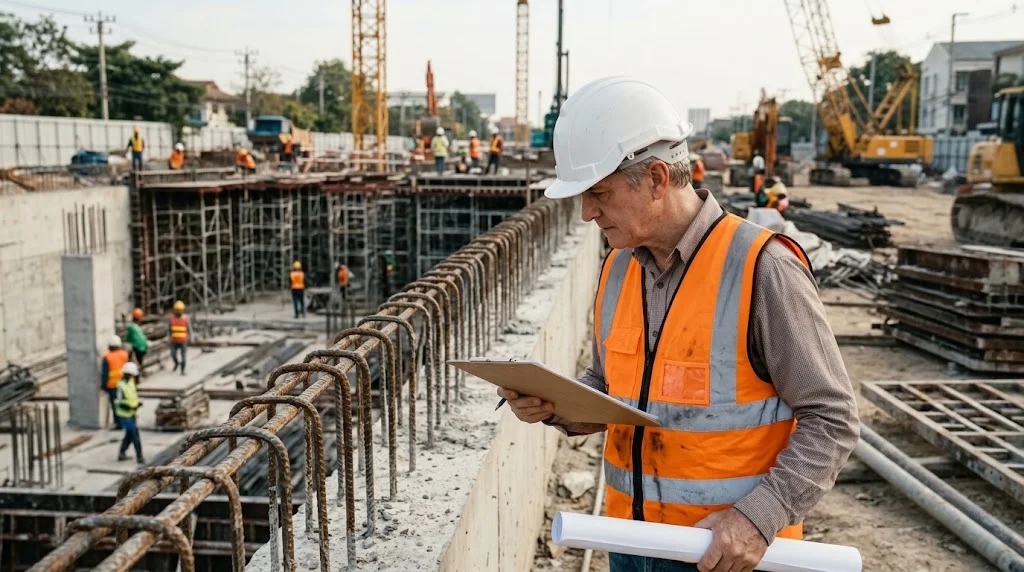
When multi-million-dollar public infrastructure projects face scrutiny over construction quality and procurement integrity, an independent chief technical examiner serves as the vital link between financial vigilance and engineering compliance.
Financial records can look balanced on paper while a physical structure hides severe defects. Standard accounting audits review invoices, vouchers, and ledger accounts, yet they cannot tell whether a concrete beam contains the specified grade of rebar or whether a newly paved highway meets thickness criteria. This critical vulnerability in public works and large-scale procurement is precisely where independent engineering oversight steps in. Safeguarding public funds against substandard execution and inflated billing requires specialized technical expertise. Understanding the mandate of an independent oversight body clarifies how modern governance protects both infrastructure integrity and public capital.
What Is a Chief Technical Examiner?
A chief technical examiner serves as an independent senior technical authority tasked with auditing engineering projects, government procurement, and infrastructure works. Functioning primarily within vigilance and oversight frameworks, such as the Chief Technical Examiner’s Organisation under statutory anti-corruption commissions, this specialist bridges the gap between field engineering and regulatory compliance.
Unlike traditional inspectors who report within the project hierarchy, this examiner operates autonomously. The position exists to verify that public contracts deliver authentic value for money, strictly adhere to technical specifications, and remain free from fraudulent collusions between contractors and executing agencies.
Core Duties and Legal Authority
The responsibilities of the technical audit team extend across the entire contractual framework. A major priority involves intensive technical examinations of high-value public projects, including civil infrastructure, electrical installations, mechanical systems, and complex turnkey projects.
Key responsibilities include:
-
Evaluating technical sanctions and administrative approvals to ensure project costs were not artificially inflated during planning.
-
Scrutinizing tender documents, evaluation criteria, and contract agreements to confirm compliance with General Financial Rules and fair competition guidelines.
-
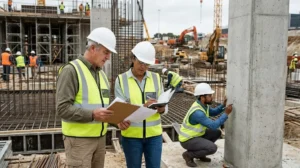
Inspecting physical construction sites, conducting material tests, and comparing real progress with recorded measurements.
-
Interfacing with Chief Vigilance Officers to identify institutional vulnerabilities, systemic negligence, or intentional misconduct.
Through these duties, the examiner holds substantial investigative leverage. Field teams possess the authority to collect core samples, demand original site registers, inspect concrete quality, and inspect confidential tender records without prior obstruction from executing engineers.
The 4-Stage Technical Audit Lifecycle
Comprehensive technical auditing is not a single inspection visit. It is an end-to-end evaluation that follows a structured four-stage process:
-
Pre-Tender and Estimate Scrutiny: The examination begins long before ground is broken. Auditors evaluate whether initial cost estimates rely on realistic market rates or inflated figures. They inspect tender conditions to confirm that specifications do not favor a single preferred vendor.
-
Tendering and Award Phase: During this stage, the team assesses bid fairness, transparency in the tender evaluation committee, and the validity of contract awards. Any unauthorized deviations from model bidding documents are flagged immediately.
-
Field Inspection and Site Sampling: Auditors travel directly to the project location to conduct independent physical verifications. They pull core samples, test materials in accredited laboratories, and verify structural stability against approved blueprints.
-
Bill Verification and Measurement Book Reconciliation: The final phase cross-references physical work against financial payouts. The inspection unit reviews the Measurement Book (MB or e-MB), checking every quantity claimed by the contractor against on-site measurements before approving subsequent disbursements.
Forensic Methods for Detecting Irregularities
Detecting deliberate manipulation requires rigorous forensic engineering methods. A seasoned chief technical examiner looks beyond simple paperwork to identify patterns that hint at fraudulent activity.
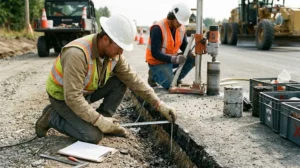
One common area of abuse involves the Measurement Book. Less ethical contractors may record inflated dimensions for unseen structural components, such as underground foundations or road sub-base thickness. By utilizing non-destructive testing, acoustic loggers, and localized excavation, technical examiners expose differences between documented entries and physical realities.
Another frequent trick involves unauthorized item substitutions. Contractors sometimes substitute high-grade materials specified in the contract with cheaper alternatives while continuing to bill at original rates. Technical auditors identify these switches through independent laboratory testing of steel, concrete, bitumen, and piping. They also review hidden change orders, unjustified time extensions, and unjustified mobilization advances that drain project finances.
Preventive Vigilance and Modern Contract Scrutiny
Modern oversight places significant emphasis on preventive vigilance rather than purely reactive punishment. The goal is to detect flaws early, correct systemic vulnerabilities, and prevent waste before public funds disappear completely.
As public spending shifts, modern technical oversight has adapted beyond traditional concrete and steel infrastructure. Today, a chief technical examiner routinely inspects large-scale Information Technology infrastructure, smart city platforms, data centers, and advanced digital software acquisitions. In digital settings, cube tests and site surveys are replaced by software code reviews, data architecture reviews, and rigorous audits of service-level agreements.
To clarify the distinct roles in project execution, consider how the technical examiner compares to adjacent professionals:

| Attribute | Chief Technical Examiner | Financial Auditor | Project Site Engineer |
| Primary Focus | Quality, technical compliance, and vigilance | Books of accounts, invoices, and vouchers | Day-to-day execution and construction progress |
| Independence | Autonomous, reports to vigilance or audit body | External or internal financial control | Internal to executing agency or contractor |
| Methodology | Site tests, core cuts, measurement reconciliations | Ledger reconciliation and invoice scrutiny | Continuous physical supervision |
| Primary Output | Technical inspection memo and vigilance advice | chief technical examiner report and compliance observations | Daily progress reports and contractor billing |
Post-Audit Enforcement and Recovery
The conclusion of an on-site technical inspection starts a formal enforcement procedure. If serious defects, substandard construction, or excess payments come to light, the oversight team issues a structured inspection memo detailing the observations.
The executing department must submit an Action Taken Report within specified timeframes. This document must prove that defective work was rebuilt at the contractor’s expense, or that excess disbursements were recovered directly from outstanding bills, security deposits, or performance bank guarantees.
When an investigation uncovers deliberate collusion, systemic kickbacks, or criminal negligence, the matter moves beyond internal recovery. In such situations, the chief technical examiner refers the evidence to statutory vigilance organizations or criminal investigation agencies for disciplinary and legal action. This dual approach of financial recovery and accountability maintains discipline across public contracting.
FAQs
How does this role differ from an academic chief examiner?
The two roles operate in completely different fields. An academic examiner oversees educational grading, question paper confidentiality, and university examinations. In contrast, an engineering technical examiner handles infrastructure audits, procurement transparency, and anti-corruption oversight.
Can private corporations implement an independent technical audit wing?
Yes. Many large multinational developers, infrastructure funds, and energy corporations maintain internal technical audit departments modeled after public oversight offices to prevent subcontractor fraud, verify material quality, and protect capital expenditure.
Does this technical authority have the power to stop work on site?
In most governance systems, the technical inspection team serves as an advisory and investigatory authority. While they do not usually issue direct stop-work orders on the spot, their adverse inspection reports trigger administrative directives from department heads to pause work, reject milestones, or halt disbursements.
Conclusion
A transparent procurement system depends on more than just balanced ledgers and standard invoices. By combining engineering expertise with independent vigilance, the chief technical examiner acts as an essential safeguard for public capital. From reviewing initial bid documents to running forensic site tests and reclaiming excess payouts, this specialized oversight guarantees that public projects remain safe, durable, and financially sound.








Post Comment