Automatic Identification Technology Guide
Introduction
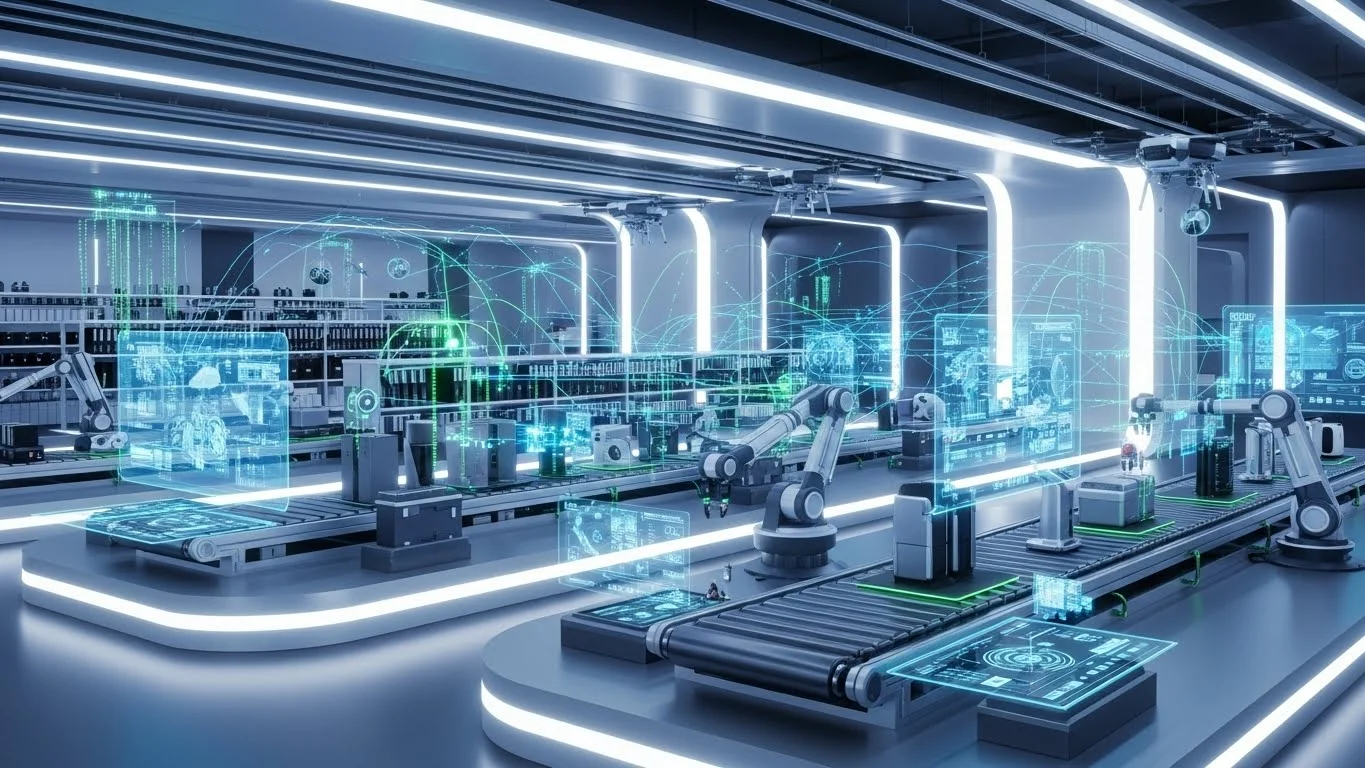
In today’s fast-paced digital environment, organizations continuously look for ways to improve accuracy, efficiency, and data reliability. As businesses expand, manual identification methods no longer meet operational demands. For this reason, automatic identification technology has become essential across multiple industries. It allows systems to identify objects, people, and assets quickly while minimizing human involvement.
Moreover, this technology enables real-time data collection, leading to more informed decision-making. Whether in retail, healthcare, logistics, or government operations, automated identification solutions improve performance and reduce costly errors. This article examines how these systems operate, their significance, and their ongoing influence on modern industries.
Core Concepts of Automated Identification Systems
To begin with, automated identification systems enable machines to recognize items without manual data entry. These systems rely on machine-readable information such as codes, signals, or biological traits. As a result, organizations can collect and process data faster than ever before.
Historically, identification started with simple labeling. Over time, digital advancements transformed labels into scannable and intelligent identifiers. Today, identification and data capture systems combine hardware, software, and communication networks into one integrated structure.
Typically, these systems include:
-
Data carriers such as labels, tags, or biometric features
-
Capture devices like scanners, readers, or sensors
-
Processing software connected to centralized databases
-
Communication networks that ensure secure data transfer
Together, these elements form a reliable foundation for efficient identification workflows.
Types of Identification and Data Capture Technologies
Several technologies support automated identification. Each option serves specific environments and operational needs.
Barcode and QR Code Systems
First, barcode and QR code systems remain widely used due to their simplicity and affordability. Retailers, warehouses, and libraries commonly rely on them. Since scanners read these codes instantly, businesses experience faster checkouts and improved inventory control.
RFID Systems
Next, radio frequency identification uses wireless signals to transmit data between tags and readers. Unlike barcodes, RFID does not require direct line of sight. Therefore, it suits logistics, asset tracking, and supply chain management, especially in large-scale operations.
Biometric Identification
Meanwhile, biometric systems identify individuals based on unique physical or behavioral traits. Fingerprints, facial recognition, and iris scans offer strong security. Consequently, organizations use biometrics for access control, healthcare identification, and government services.
Optical Character Recognition
In addition, optical character recognition converts printed or handwritten text into digital formats. Banks, offices, and administrative departments use OCR to speed up document processing and reduce paperwork.
Smart Cards and Magnetic Stripes
Finally, smart cards and magnetic stripe cards store encoded data securely. These cards play a vital role in payments, transportation systems, and identity verification.
How Automated Identification Works in Practice
To understand the process, consider how data moves through the system. First, a scanner or reader captures the identifier. Then, the system transmits the data to processing software. After that, the software verifies and stores the information in a database.
At the same time, integration with enterprise platforms allows organizations to analyze data instantly. Consequently, managers gain visibility into operations while reducing manual workload. This streamlined flow explains why businesses increasingly adopt automatic identification technology for daily operations.
Key Benefits
Undoubtedly, automated identification delivers several advantages. Most importantly, accuracy improves because machines reduce human errors. Additionally, speed increases since data capture happens instantly.
Furthermore, real-time data enables faster and smarter decisions. Operational efficiency rises as labor costs decrease and workflows improve. Security also strengthens when systems use encryption or biometric verification. Altogether, these benefits justify the growing adoption of automated identification systems worldwide.
Industry Applications Across Major Sectors
Retail and Inventory Management
Retailers use identification systems to track products, manage stock, and prevent losses. As a result, they maintain accurate inventory levels and improve customer satisfaction.

Logistics and Supply Chain Operations
In logistics, automated identification enhances shipment tracking and warehouse efficiency. RFID and barcode systems provide visibility throughout the supply chain. Therefore, delays decrease and handling accuracy improves.
Healthcare Services
Healthcare facilities rely on identification systems to track patients, medications, and equipment. Consequently, patient safety improves while administrative errors decline.
Manufacturing and Production
Manufacturers apply identification solutions to monitor production lines and control quality. This approach ensures consistent output and reduces waste.
Security and Access Control
Security systems use biometric and smart card technologies to restrict access. As a result, organizations protect sensitive data and physical locations more effectively.
Government and Military Operations
Public sector organizations use automated identification to manage assets and logistics. These systems improve accuracy in high-pressure environments.
Emerging and Specialized Use Cases
Beyond traditional sectors, identification systems now support smart cities and environmental monitoring. IoT-enabled sensors combined with RFID track infrastructure performance. Consequently, cities manage resources more efficiently while supporting sustainability goals.
Challenges and Limitations
Despite the benefits, challenges still exist. Initial setup costs can be high, especially for advanced systems. Moreover, integration with older infrastructure requires careful planning. Data security and privacy concerns also demand strict compliance measures.
Environmental factors may affect performance as well. For example, damaged labels or signal interference can disrupt scanning. Nevertheless, proper planning and maintenance help reduce these risks.
Advanced Integrations and Technological Innovation
Today, automated identification systems integrate with cloud platforms and artificial intelligence. AI enhances pattern recognition, while cloud computing improves scalability. Additionally, blockchain technology strengthens data integrity and security.
These advancements expand the capabilities of automatic identification technology, making it more reliable and future-ready.
Market Trends and Growth Outlook
The global demand for automated identification continues to grow. Businesses increasingly invest in smart warehouses and digital transformation initiatives. As industries embrace connected devices, identification systems will remain central to operational success.
Best Practices for Successful Implementation
To achieve success, organizations should first define clear objectives. Then, they should select suitable technologies based on their environment. Pilot testing helps validate performance, while staff training ensures smooth adoption. Regular monitoring also helps measure return on investment.
Real World Examples
Large retailers use RFID to improve inventory accuracy. Logistics companies rely on tracking systems to manage global shipments. Meanwhile, military organizations adopt advanced identification methods to enhance asset visibility and operational speed.
Future Outlook
Looking ahead, automatic identification technology will continue to evolve alongside AI, IoT, and high-speed networks. These innovations will support smarter operations and deeper insights across industries.
Conclusion
In conclusion, automatic identification technology plays a vital role in modern operations. It improves accuracy, enhances efficiency, and enables real-time visibility. By understanding its systems, benefits, and challenges, organizations can adopt the right solutions and prepare for a connected digital future driven by technology.








Post Comment