How to Get into Real Estate: A Complete Guide

Introduction:
What It Means to Work in Real Estate
If you’re wondering how to get into real estate, you’re not alone. It offers a wealth of opportunities for those looking to build a career that combines flexibility, earning potential, and the chance to make a lasting impact. Whether you’re interested in becoming a real estate agent, broker, or investor, the industry is booming with possibilities.
Real estate professionals help individuals buy, sell, and rent properties, providing guidance in navigating the complex world of homeownership, investment properties, and commercial spaces. You can focus on residential sales, manage rental properties, or even dive into investment strategies to build wealth over time.
Who This Guide is For
This guide is for anyone looking to understand how to get into real estate, whether you’re a fresh high school graduate, someone switching careers, or an aspiring investor. By the end of this article, you will have a clear understanding of the steps you need to take to start your journey in real estate.
Understanding the Real Estate Industry
Types of Real Estate Careers
Before you jump into the process of getting licensed, it’s crucial to understand the variety of career paths available in real estate. While many people think of it agents, the industry also offers positions like brokers, property managers, appraisers, and investors.
For those wondering how to get into real estate, it’s important to choose the path that best fits your goals and interests. It agents work directly with clients, helping them buy or sell properties. On the other hand, brokers have additional licensing and can own a real estate firm, while investors focus on purchasing properties for rental or resale.

Career Growth and Potential
One of the biggest draws of a real estate career is its potential for growth. As you gain experience, you can specialize in areas such as luxury home, commercial properties, or property management. The sky is the limit when it comes to earning potential, especially if you’re able to establish a solid reputation and grow your network.
Steps to Start a Career
Eligibility Requirements
To begin your real estate journey, you must meet certain eligibility requirements. First, you need to be at least 18 years old and have a high school diploma or GED. In some states, you may also need to complete a background check. These initial steps are the first milestones on your path to becoming a real estate professional.
Pre-Licensing Education
The next step is to complete a pre-licensing course. These courses are typically offered through real estate schools or community colleges. The curriculum will cover essential topics such as property law, real estate contracts, and ethics. The duration of the courses varies by state, but you can expect to spend between 60 and 150 hours of study to fulfill the requirements.
Passing the Real Estate Exam
Once you’ve completed your education, it’s time to take the real estate exam. This exam tests your knowledge of the material you’ve studied, such as property law and principles. Passing the exam is crucial for obtaining your license. To prepare for the exam, make sure to take practice tests and review key concepts. While the exam can be challenging, with proper preparation, you’ll be well-equipped to succeed.
License Application Process
State-Specific Requirements
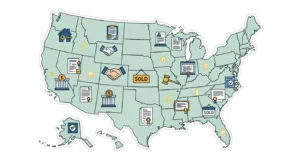
Every state has its own process for applying for a license. After passing your exam, you’ll need to submit an application to the state’s real estate commission. The application will ask for details such as your educational background, exam results, and any prior criminal history (if applicable). Be prepared to pay an application fee, which can range from $50 to $300.

Cost of Getting a Real Estate License
While getting your license is an investment, it’s important to know the costs upfront. In addition to the pre-licensing education and exam fees, you may need to pay for fingerprinting, background checks, and application fees. All in all, you can expect to pay between $500 and $1,000 to get licensed, depending on your state.
Building Career
Developing Key Skills
In real estate, success isn’t just about knowledge; it’s also about skill. To excel in this career, you’ll need strong communication, negotiation, and time management skills. Whether you’re showing homes to buyers or negotiating contracts, your ability to connect with people and manage your time effectively will play a big role in your success.
Building Your Client Base
Building a client base is essential for any agent. Start by networking with friends, family, and people in your community. Attend industry events, host open houses, and engage on social media platforms like Instagram and LinkedIn to establish your presence. Word of mouth and personal referrals will play a major role in your early success.
Challenges in the Real Estate Career Path
Dealing with Rejection and Competition
One of the toughest parts of getting into it is learning to handle rejection. Not every client will buy or sell with you, and it’s important not to take it personally. This industry is highly competitive, and perseverance is key. Keep a positive attitude, learn from each experience, and keep pushing forward.
Managing Stress and Time
This is a high-pressure industry, especially when you’re managing multiple clients and deals at once. Time management and stress management techniques will be essential for staying productive and maintaining a healthy work-life balance.
Real Estate Career Longevity
How to Stay Ahead of Industry Trends
The real estate industry is constantly evolving. To stay ahead, continue learning about new technologies, market trends, and legal changes. Take advantage of continuing education courses and attend industry conferences to keep your skills sharp and your knowledge up to date.
Becoming an Expert
As you gain experience, you may choose to specialize in a particular area, such as luxury homes or commercial properties. Specializing allows you to become an expert in a niche market, which can lead to higher earnings and more opportunities.
FAQs:
-
What if I fail the real estate exam?
-
You can retake the exam after a specified period. Most states allow you to retake the exam if you don’t pass on the first try.
-
-
How do I get my first sale?
-
It’s all about persistence. Start by working closely with clients, offering valuable insights, and building your network. Your first sale will come when you build trust with your clients.
-
Conclusion:
Now that you know how to get into real estate, it’s time to take the next step. The process may seem overwhelming at first, but with the right preparation, support, and mindset, you’ll be well on your way to building a successful real estate career. Start by enrolling in a pre-licensing course, and keep pushing forward. The world is full of opportunities waiting for you.





Post Comment