US China Technology competition dimon global power shift
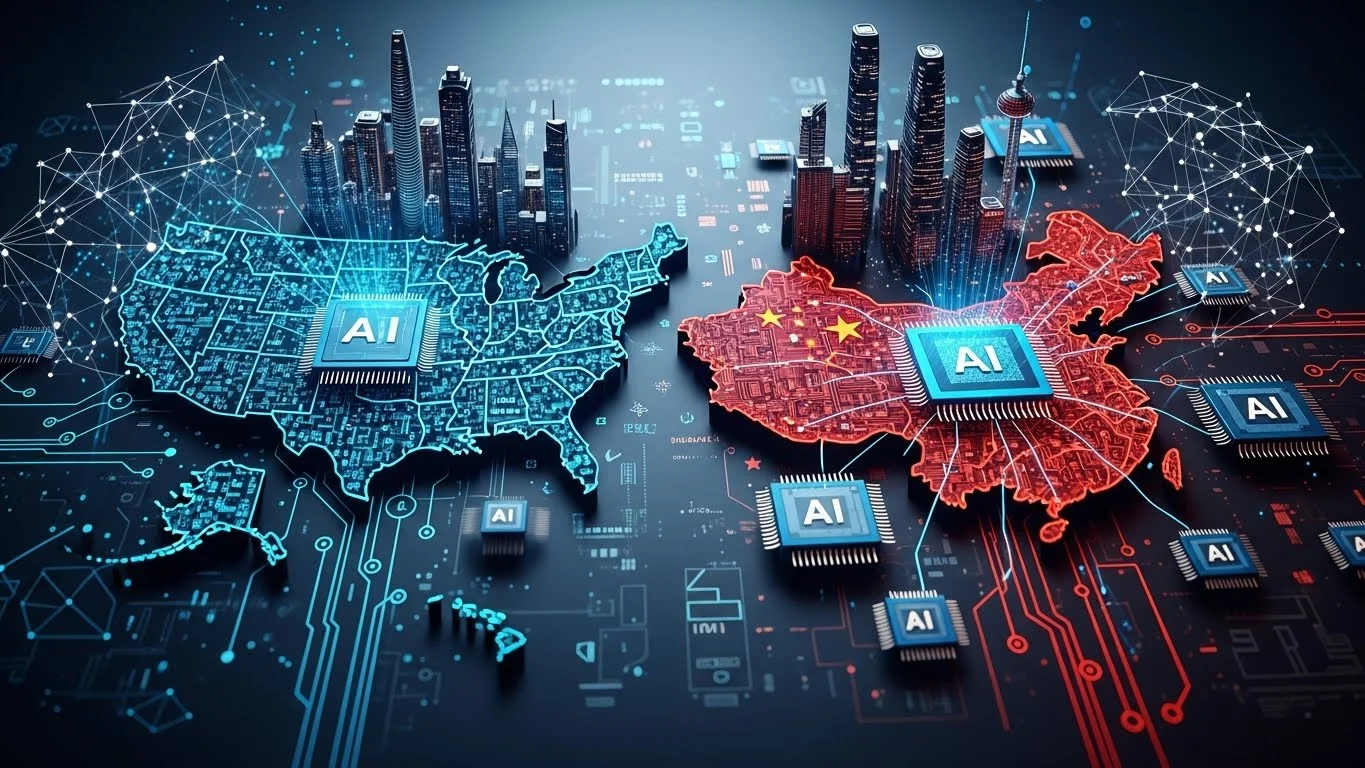
The global race for technological leadership has become one of the most defining issues of the modern era. As the United States and China compete for dominance in advanced technologies, financial leaders have begun to raise serious concerns about the long-term consequences. Among them, Jamie Dimon, the CEO of JPMorgan Chase, has emerged as a strong voice highlighting economic, strategic, and security risks. The discussion around us china technology competition dimon reflects more than political rivalry. It reveals how deeply technology, finance, and national security are now connected.
This article explores the US-China technology rivalry through Dimon’s perspective while examining its impact on businesses, investors, global supply chains, and the future of innovation.
Understanding the US-China technology competition
The technology competition between the United States and China is not limited to one sector. It spans artificial intelligence, semiconductors, advanced computing, digital infrastructure, and emerging technologies that will shape future economic power. Unlike traditional trade disputes, this rivalry is about who controls innovation ecosystems and sets global technology standards.
Technology has replaced tariffs as the main battleground. Both nations understand that leadership in AI, chips, and data infrastructure determines long-term economic competitiveness and geopolitical influence. This shift has intensified US-China relations and created a strategic competition that affects nearly every global industry.
Why Jamie Dimon’s perspective matters
Jamie Dimon is not a policymaker or academic researcher. He represents the financial system that funds innovation and global trade. As the head of one of the world’s largest banks, his insights reflect how markets and investors interpret geopolitical risks.
When Dimon speaks about technology rivalry, global markets listen. His warnings connect supply chain dependence, national security concerns, and financial stability. This makes his voice especially influential for multinational corporations, institutional investors, and decision makers navigating an uncertain global economy.
key statements
Jamie Dimon has repeatedly emphasized that excessive dependence on a single country for critical technologies and materials creates serious vulnerabilities. He has highlighted how supply chains for pharmaceuticals, semiconductors, and rare materials expose economic and security risks.
From Dimon’s viewpoint, exporting sensitive technologies without safeguards can weaken national security while harming long-term innovation leadership. His comments are not about isolation but about balance. He advocates for more strategic approaches that safeguard critical technologies while fostering global economic cooperation.
Core technologies driving the rivalry
At the heart of the US-China tech rivalry lie several strategic technologies that define modern power.
Artificial intelligence stands at the top. Control over AI models, data infrastructure, and computing capacity determines future productivity and military capability. Closely linked is the semiconductor industry, where advanced chips power everything from smartphones to defense systems.

Emerging technologies such as quantum computing, cybersecurity tools, and next-generation networks further intensify competition. Leadership in these areas supports innovation ecosystems that attract talent, investment, and long-term growth.
Technology competition versus economic decoupling
A major question shaping this rivalry is whether full economic decoupling is possible or even desirable. While some advocate separation, global supply chains remain deeply interconnected. Technology decoupling often leads to higher costs, slower innovation, and fragmented markets.
Partial decoupling, focused on critical technologies, appears more realistic. This approach aims to reduce strategic dependency without dismantling global trade. For businesses and investors, understanding the difference between political rhetoric and practical outcomes is essential.
Impact on global supply chains
The technology race has exposed weaknesses in global supply chains. Shortages of chips and disruptions in manufacturing revealed how concentrated production can threaten economic stability.
Companies are now rethinking supply chain strategies by diversifying sourcing and reshoring key manufacturing processes. These changes align with broader efforts to strengthen economic resilience while maintaining efficiency. Supply chain security has become a central theme in the US-China competition.
Business and investor implications
For corporations, the technology rivalry reshapes risk management. Multinational companies must navigate export controls, compliance requirements, and shifting regulations. Investment strategies increasingly factor in geopolitical risk alongside traditional financial metrics.
Investors are paying closer attention to sectors tied to AI, advanced computing, and infrastructure. Financial institutions play a crucial role by directing capital toward innovation that supports long-term competitiveness while managing exposure to geopolitical tensions.
National security and technological sovereignty
Technology is no longer just an economic asset. It is a national security priority. Control over data, AI systems, and digital infrastructure influences defense capabilities and societal stability.
Technological sovereignty focuses on ensuring access to critical technologies without external pressure. For the United States, this means protecting innovation leadership while collaborating with trusted partners. For China, it involves strengthening domestic innovation to reduce reliance on foreign technology.
Global winners and losers in the tech competition
The US-China rivalry extends beyond the two nations. Europe, Asia, and emerging markets are affected as alliances shift and technology blocs form. Some countries benefit by attracting investment as companies diversify supply chains. Others struggle as access to advanced technology becomes restricted.
This global rebalancing creates both opportunities and challenges. Nations that invest in education, innovation ecosystems, and digital infrastructure are better positioned to adapt.
Future outlook of the US-China technology competition
Looking ahead, the competition is unlikely to end soon. Instead, it will evolve. The future may involve managed competition where cooperation exists alongside rivalry. Innovation leadership will depend on talent development, research investment, and effective regulation.
Global technology standards will play a crucial role. Whoever shapes these standards influences adoption, markets, and long-term dominance. Collaboration with allies may prove as important as domestic innovation efforts.
U.S.-China technology competition, and its broader warning
The broader message behind Dimon’s commentary is strategic rather than political. He warns that ignoring technological dependency and supply chain risk undermines economic resilience. His perspective emphasizes preparation, diversification, and investment in innovation.
The discussion around us china technology competition dimon highlights how deeply interconnected finance, technology, and geopolitics have become. Businesses, governments, and investors must adapt to a world where technology defines power and stability.
Final thoughts on global technology leadership
The us china technology competition dimon rivalry represents a defining challenge of this generation. It affects how economies grow, how innovation evolves, and how global power is distributed. Jamie Dimon’s insights serve as a reminder that technological leadership requires foresight, balance, and long-term planning.
As the world navigates this complex competition, the focus must remain on sustainable innovation, secure supply chains, and cooperative frameworks that reduce risk while encouraging progress. The future of global technology will be shaped not only by rivalry but by how wisely that rivalry is managed.







Post Comment